
Listening beyond the words.
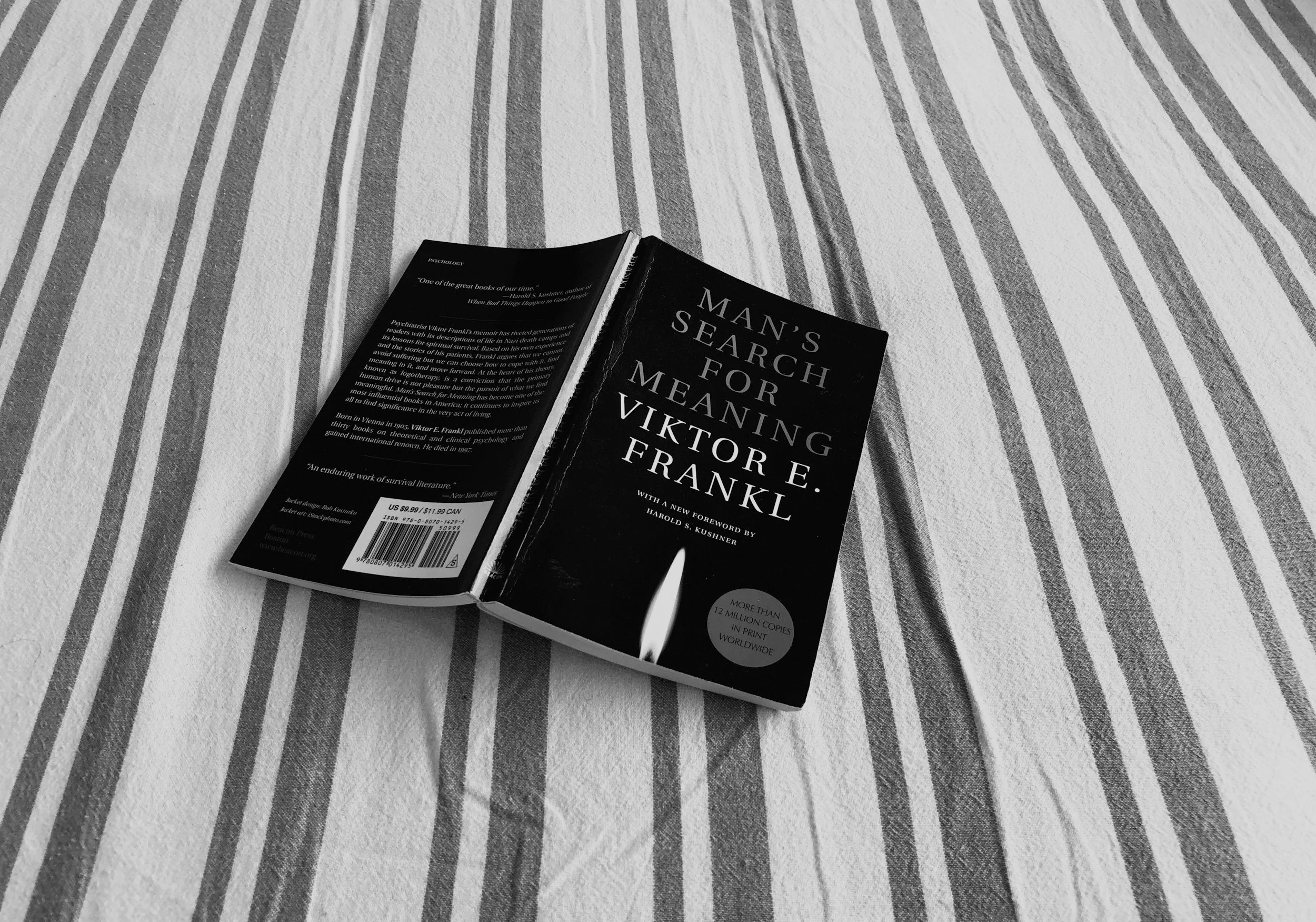
You learn a lot about listening when you sit with Holocaust survivors as they share their stories. The truth often lives in the silence between words, in the subtle shift of energy when memory brushes against something too raw to speak aloud.
But that's just one frequency.
Years of coaching indoor cycling taught me a different channel—how to read a room full of bodies in motion, each one speaking its own distinct language of effort and resistance. In a dark studio with music pounding, verbal cues become almost irrelevant. You learn to spot the slight shoulder hunch that signals someone's about to quit, or the barely perceptible change in pedal rhythm that says "I don't believe I can do this."
Then there's the intimate listening that happens one-on-one, like that day in the desert with Charlotte. Her body was telling a story her words couldn't - or wouldn't - express. Each labored pedal stroke was a sentence in a longer narrative about loss, doubt, and the grinding weight of a year's accumulated grief.
Here's what fascinates me: These aren't separate skills. They're all part of the same practice - learning to read what people are actually communicating rather than what they're trying to say. Like a mechanic who can diagnose an engine problem not just by the sound it makes, but by the vibrations it sends through the frame and the way the driver describes (or doesn't describe) the issue.
The best leaders I know have this capacity for multi-channel listening. They can simultaneously track what's being said, what's being carefully not said, and what the body is saying anyway. They know that truth, like good music, plays across multiple frequencies at once.
Feeling like you're missing signals on some of these frequencies? Like there's static on channels you need to tune in more clearly?